
What Industry 4.0 Is
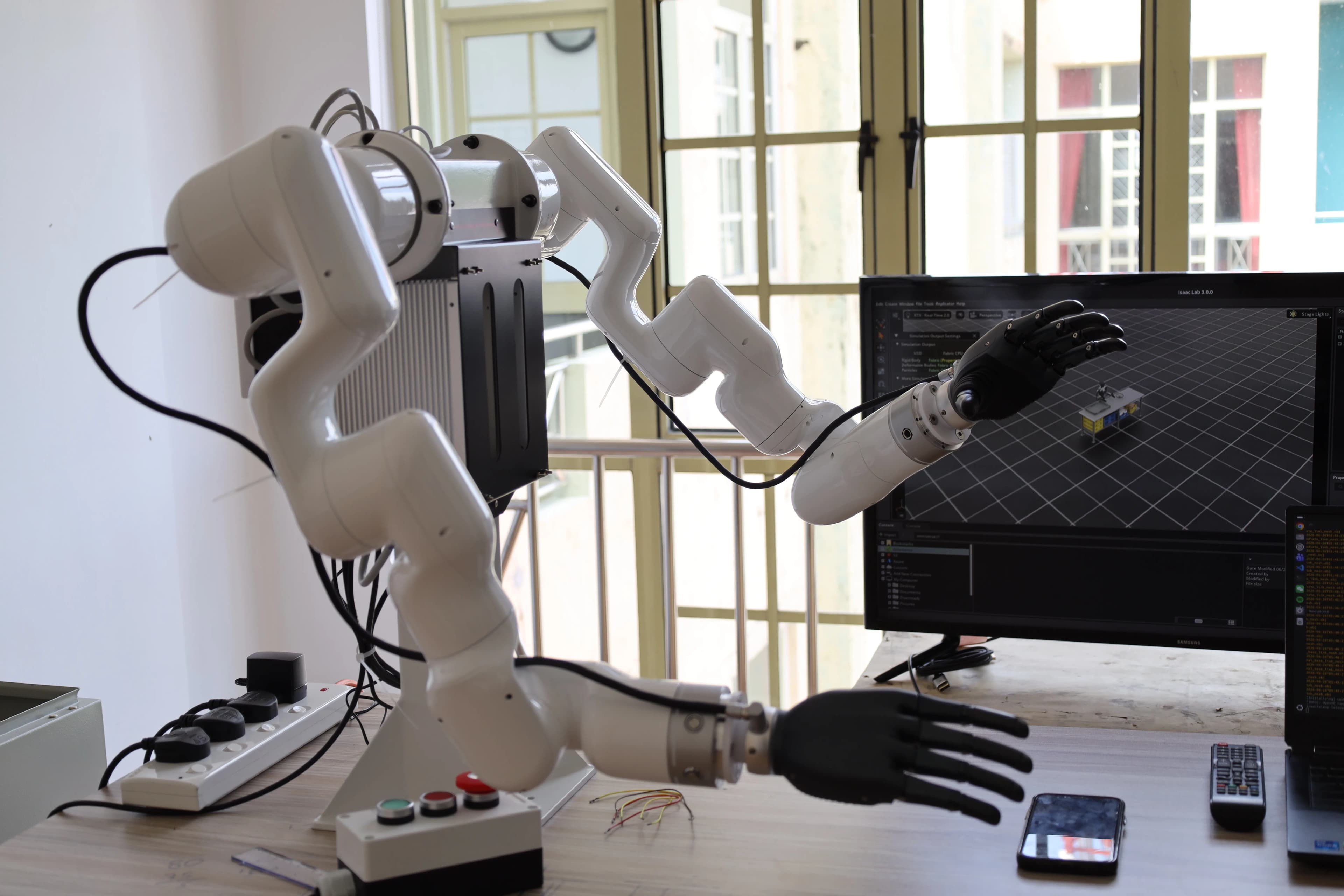
Industry 4.0 is the Fourth Industrial Revolution: the fusion of the physical and digital in industrial operations. Its building blocks are cyber-physical systems, the Industrial IoT, big data and analytics, cloud and edge computing, AI, robotics and automation, and digital twins — combining into the "smart factory" where machines, systems, and people are connected and data flows freely. The goal is operations that are visible, automated, and continuously optimized.
What Industry 5.0 Adds
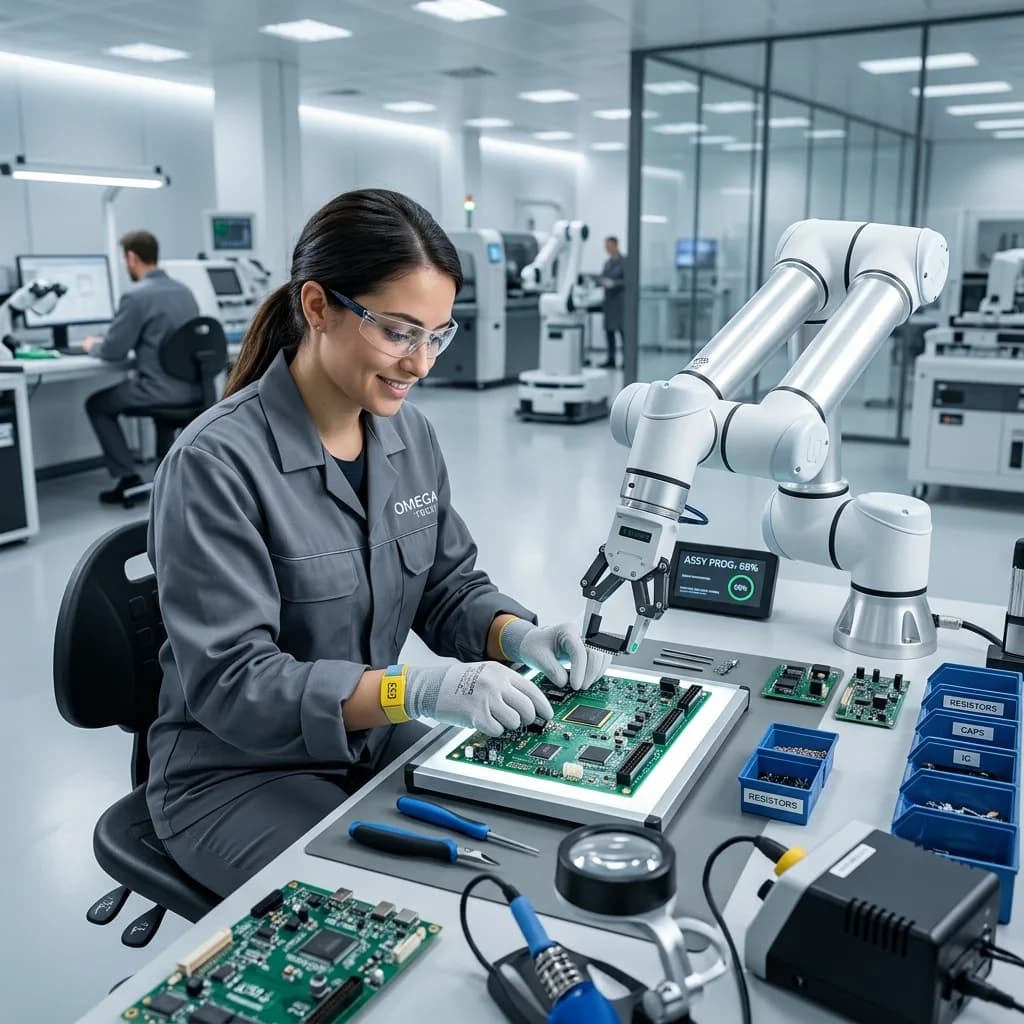
Industry 5.0 doesn't replace 4.0 — it adds a human and societal lens on top of it. Where 4.0 asks "how connected and automated can we be?", 5.0 asks "automated and connected toward what end, and for whom?" Its three themes:
technology that augments people rather than replacing them, with humans and intelligent machines collaborating (cobots, human-in-the-loop AI) so skilled workers are elevated.
operations and supply chains that adapt to disruption, with flexibility and redundancy designed in, backed by analytics and simulation that anticipate disruption before it hits.
energy-efficient, lower-waste, circular operations as a first-class design goal, achieved through systems built for longer life cycles and reduced resource use across the plant.
Our Perspective
Most organizations are still partway through Industry 4.0, even as 5.0 enters the conversation. We don't think that's a contradiction — the right move is to keep building the 4.0 foundation (connectivity, data, automation) while designing it around 5.0 principles from the start: keep people central, build for resilience, and engineer for sustainability. We're deliberately not in the business of buzzwords; we treat 4.0/5.0 as a practical roadmap for sequencing real investments.
The Bridge from 4.0 to 5.0
The technologies that connect a factory (IoT, digital twins, AI, robotics) are the same ones that, applied with intent, make it human-centric, resilient, and sustainable. A digital twin that optimizes throughput can also model energy use and test resilience to disruption. A robot that automates a task can be a cobot that makes a skilled worker safer and more productive. Our job is to build the 4.0 capability and aim it at 5.0 outcomes.
Our Initiatives
What Veyrion is actively working on across the 4.0 → 5.0 journey:
the IoT, edge, and data backbone everything else depends on.
virtual models for optimization, what-if analysis, and sustainability modeling.
cobots and human-in-the-loop systems that augment the workforce.
AI assistants, AR-guided work, and knowledge systems that upskill people.
designing systems for energy efficiency, longer life cycles, and less waste.
analytics and simulation that anticipate and absorb disruption.
Where Are You on the Journey?
Every organization sits somewhere on this curve — from first connectivity, through smart-factory optimization, to human-centric and sustainable operations. We start with an honest assessment of where you stand, then build a sequenced roadmap to close the gap between where you are and where you want to be.